The Difference Between Extraction and Ventilation
Negative Pressure Extraction vs. Positive Pressure Ventilation — What’s the Difference?
3-minute read • Updated October 2025
Quick Answer
Extraction removes indoor air from a room. Ventilation is the wider process of supplying and removing air to maintain suitable indoor conditions. Extraction is particularly useful at moisture sources, while whole-home ventilation also needs to consider where replacement fresh air comes from.
Key Terms
Extraction ventilation: Mechanical removal of air from a room or zone.
Supply ventilation: Mechanical introduction of outdoor air into a building.
Balanced ventilation: Controlled supply and extraction designed to manage both incoming and outgoing airflow.
New Zealand Home Example
A bathroom extractor can remove humid air during a shower. A whole-home ventilation system has a broader job: supplying suitable fresh air and managing stale or moisture-laden air across the occupied home.
EVOAQ Answer
EVOAQ treats extraction and ventilation as complementary parts of indoor air quality. Moisture should be removed close to its source, while occupied rooms also need a suitable supply of fresh outdoor air.
At a Glance
| Approach | Main job | Limitation |
|---|---|---|
| Extraction | Remove moisture/stale air locally | Needs suitable replacement-air paths |
| Supply | Bring outdoor air into home | Does not directly remove moisture at the source |
| Balanced | Control supply and extraction | Requires appropriate system design |
When it comes to improving your home’s indoor air quality, two common ventilation systems often come up: extraction and positive pressure ventilation.
While both are designed to make your home drier and healthier, they work in very different ways — and the best solution often combines the two.
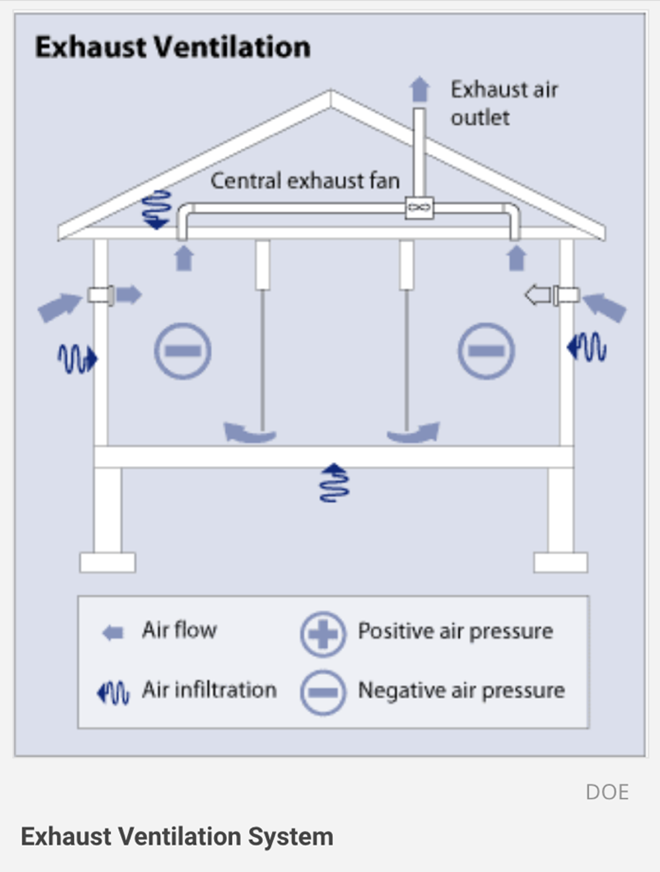
How Extraction Ventilation Works
Extraction systems remove damp or stale air directly from problem areas like bathrooms, laundries, and kitchens. By extracting humid air before it spreads, these systems prevent mould and mildew from forming on walls, ceilings, and windows — helping protect your health and your home.
Extraction ventilation is especially useful in rooms that produce moisture. The result? A cleaner, drier home and a big reduction in condensation and damp smells.
How Positive Pressure Ventilation Works
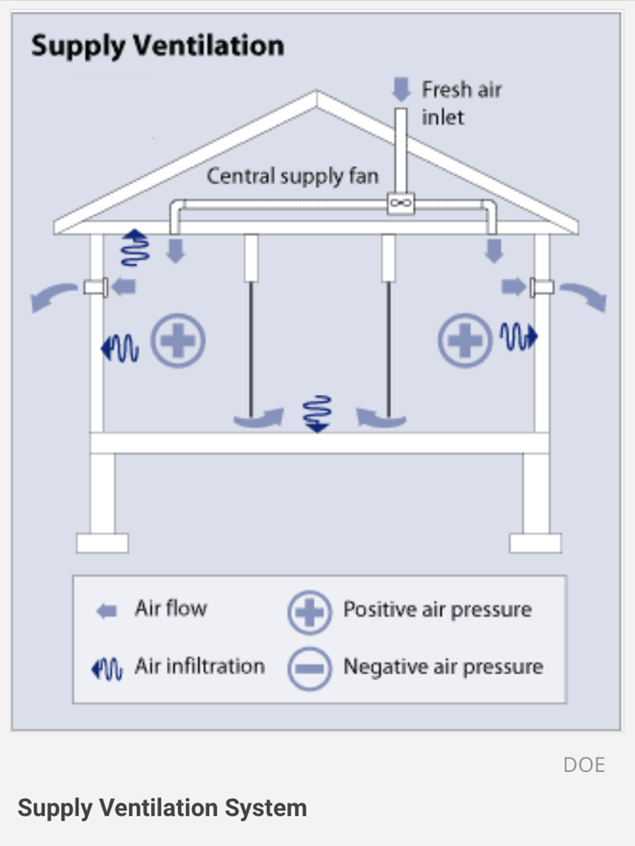
Positive pressure ventilation (sometimes called “roof cavity” ventilation) works by gently pushing clean, filtered air into your home. This creates a light air pressure that forces stale, damp air out through small gaps and vents, replacing it with fresh, dry air.
In New Zealand’s humid climate, positive pressure ventilation can be a game-changer — helping to balance air quality throughout the entire home while reducing excess moisture.
Why Both Systems Work Best Together
Each system has its strengths. Extraction handles moisture at the source, while positive pressure ventilation ensures every room gets a steady supply of clean air. Together, they create the perfect balance of moisture control and healthy airflow — and when integrated into home ventilation systems, they deliver whole-home comfort and energy-efficient air quality improvement.
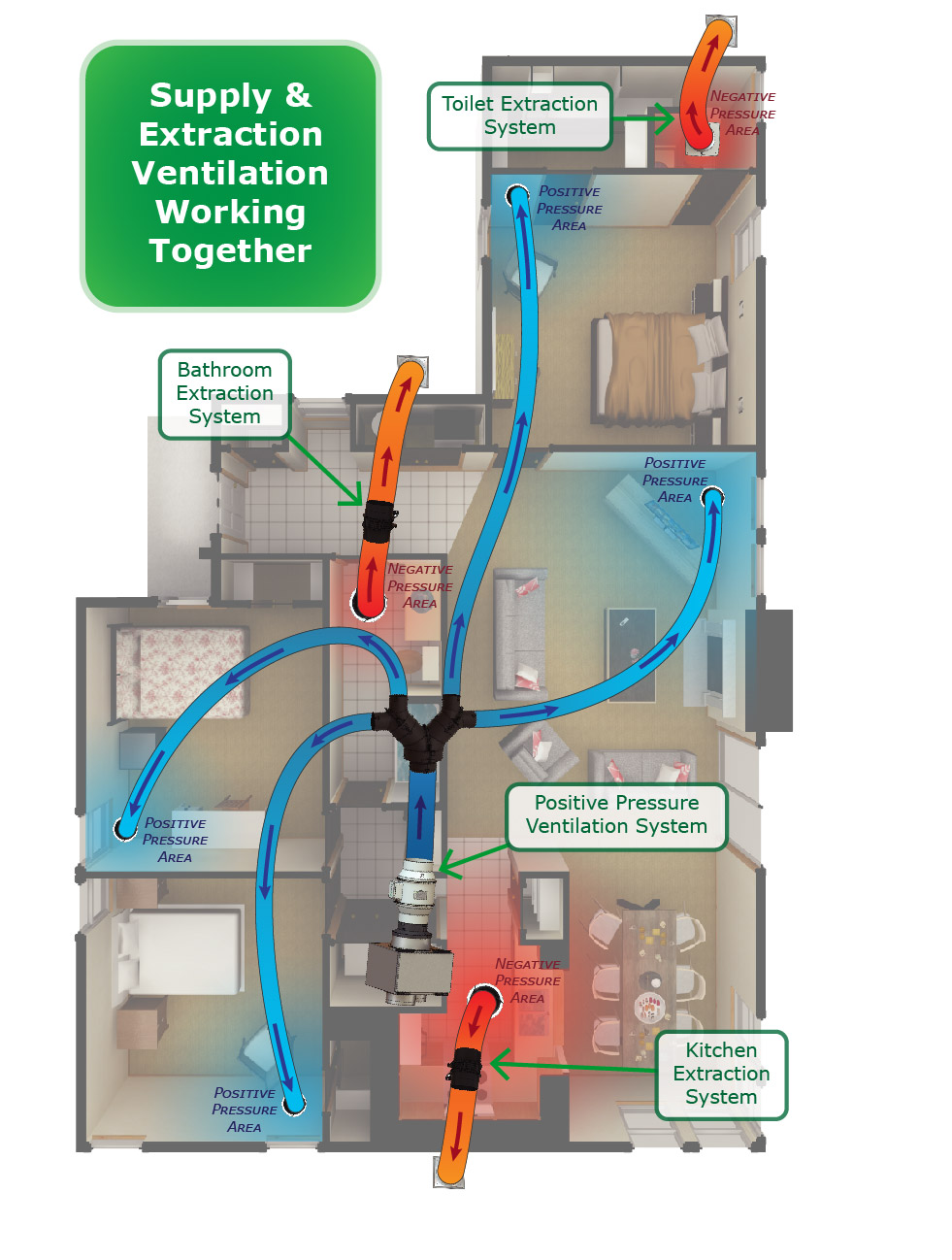
At EVOAQ, our intelligent, decentralised balanced, demand-controlled ventilation systems take this further by automatically adjusting airflow based on humidity and temperature inside and outside your home. You get the benefits of both systems — without having to think about it.
Frequently Asked Questions
What is the difference between extraction and positive pressure ventilation?
Do I need both extraction and ventilation?
Which rooms need extraction fans?
Ready to improve your air quality?
Contact the EVOAQ team today to find the perfect ventilation setup for your home.