Heat Recovery vs. Positive Pressure Ventilation
What's Best for NZ Homes?
4-minute read • Updated October 2025
Quick Answer
Heat recovery ventilation and positive pressure ventilation solve different ventilation problems. Heat recovery transfers heat between outgoing and incoming air, while positive pressure systems supply air and rely on air leaving through the building envelope. The better choice depends on the home's construction, airtightness, climate, moisture load and budget.
Key Terms
Heat recovery ventilation: A balanced ventilation system that transfers heat between outgoing stale air and incoming fresh air without intentionally mixing the two air streams.
Positive pressure ventilation: A system that supplies air to the home and creates positive pressure, with air leaving through leakage paths and openings.
Extraction: Removal of indoor air, usually at moisture or pollutant sources.
New Zealand Home Example
A well-insulated, relatively airtight new home may benefit from a balanced heat-recovery system because controlling both incoming and outgoing air is important. An existing home with more natural leakage may suit a simpler supply or decentralised approach.
EVOAQ Answer
EVOAQ does not treat heat recovery as automatically better ventilation. The ventilation method should match the building. EVOAQ's decentralised balanced approach focuses on controlled fresh-air supply and moisture-laden air extraction.
At a Glance
| Feature | Heat recovery ventilation | Positive pressure |
|---|---|---|
| Supply | Controlled fresh outdoor air | Supplied outdoor air |
| Extraction | Controlled stale-air extraction | Air leaves through leakage/openings |
| Heat recovery | Yes | No |
| Best question to ask | Can the home support and benefit from balanced airflow? | Will the building's air paths allow the system to work effectively? |
If you’ve been researching home ventilation options, you’ve probably come across heat recovery and positive ventilation systems.
Both sound appealing — but in New Zealand’s unique climate, they can perform quite differently.
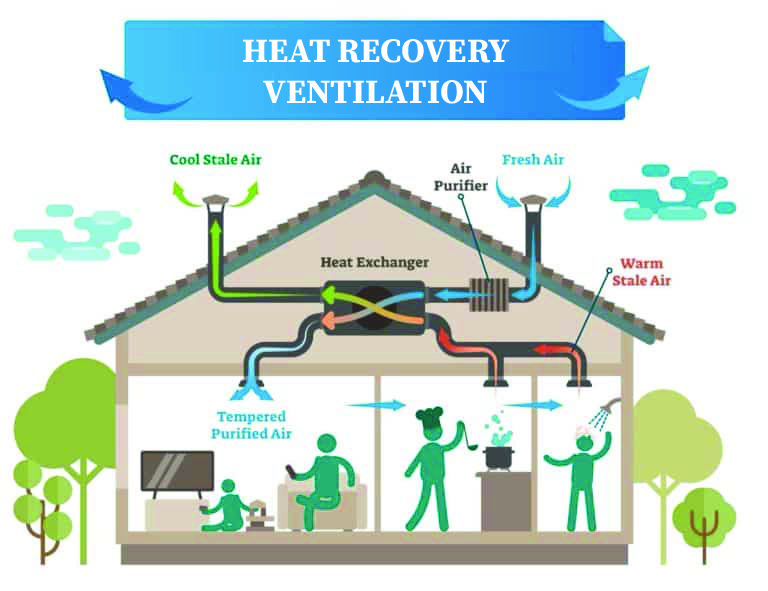
What is a Heat Recovery System?
A heat recovery system captures warmth from outgoing air and transfers it to the incoming fresh air. This can help reduce heating bills in cold climates — but there’s a catch. Heat recovery systems rely on airtight homes to work efficiently, and most New Zealand houses, especially older ones, simply aren’t sealed that tightly. On top of that, these systems are typically installed in the roof cavity, outside of the home's thermal envelope, where they are exposed to the cold roof environment.
As a result, much of that recovered heat escapes through the ducting and even within the house itself — meaning you pay for the technology without gaining its full benefits. And if you don't heat your entire home all the time, there may not be much heat available to recover in the first place.
What is Positive Pressure Ventilation?
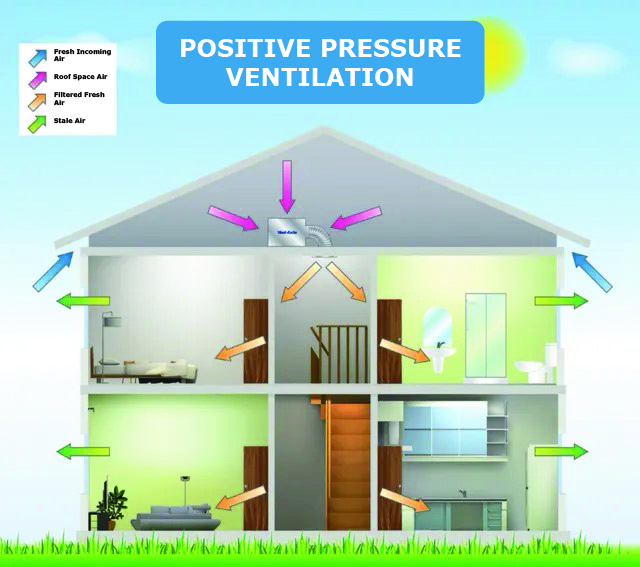
Positive pressure ventilation systems continuously bring in filtered, dry air from outside. This steady airflow replaces stale indoor air, helping reduce humidity, mould, and condensation — key issues for Kiwi homes.
Unlike heat recovery systems, positive ventilation doesn’t rely on your home being airtight. It’s designed for real-world New Zealand conditions: mild winters, high humidity, and homes that need both airflow and moisture control.
Which System is Better for You?
Heat recovery systems are best suited for cooler climates — the colder the weather, the greater the benefit. So if your home is a newly built, airtight home in a colder region, a heat recovery system might still be a good fit. But for most Kiwi homes — especially those built before modern insulation standards — positive pressure ventilation offers a simpler, more effective, and lower-cost solution.
Don't Forget about Extraction
Whether you choose heat recovery or positive pressure ventilation, one thing that’s often overlooked is extraction. While a heat recovery system does extract air from the home, the airflow is divided between multiple inlets, and the amount removed depends on the rate of incoming air. Positive pressure ventilation, on the other hand, only supplies air — it doesn’t extract it.
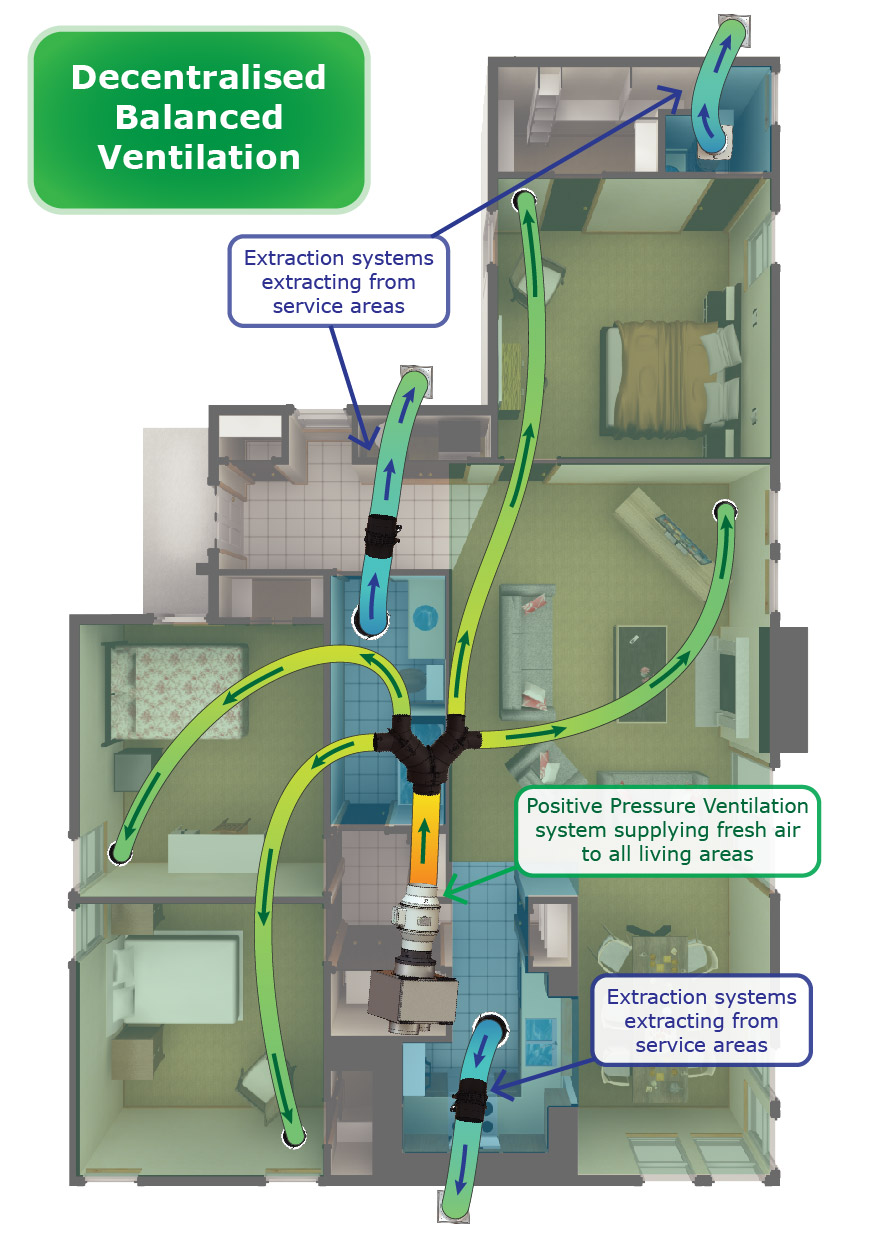
Fast, effective extraction directly from bathrooms while they’re in use is just as important with either system. A balanced, decentralised ventilation and extraction setup can be just as effective as heat recovery - and often uses less power, helping reduce running costs even if it doesn’t directly lower your heating bill.
For a closer look at how extraction and positive pressure work together — and why both matter — learn more here.
Bringing It All Together
Choosing the right ventilation system isn’t just about moving air — it’s about creating a healthier, more comfortable home. By balancing incoming airflow with effective extraction through a decentralised balanced ventilation system, you can reduce moisture, prevent mould, and maintain consistent comfort throughout your living spaces, all while using energy efficiently.
EVOAQ’s smart ventilation technology automatically adjusts to changing indoor and outdoor conditions, delivering the right balance of airflow, comfort, and energy efficiency year-round. Whether it’s keeping bathrooms dry, reducing condensation in living areas, or ensuring fresh air throughout the home, EVOAQ does the work for you — quietly, efficiently, and intelligently.
Frequently Asked Questions
Is heat recovery ventilation worth it in New Zealand?
Does positive pressure ventilation make a house cold?
Do I need extraction if I have a heat recovery system?
Breathe better with a system designed for NZ homes.
Talk to EVOAQ today about finding the right ventilation setup for your space.